
Aug 16, 2026Case Studies
How We Controlled Furniture Finishing Quality Before Shipment in an Office Project
A practical office furniture case showing how pre-shipment inspection helped identify finishing and detail issues before delivery, reducing the risk of site rework.
Project Background
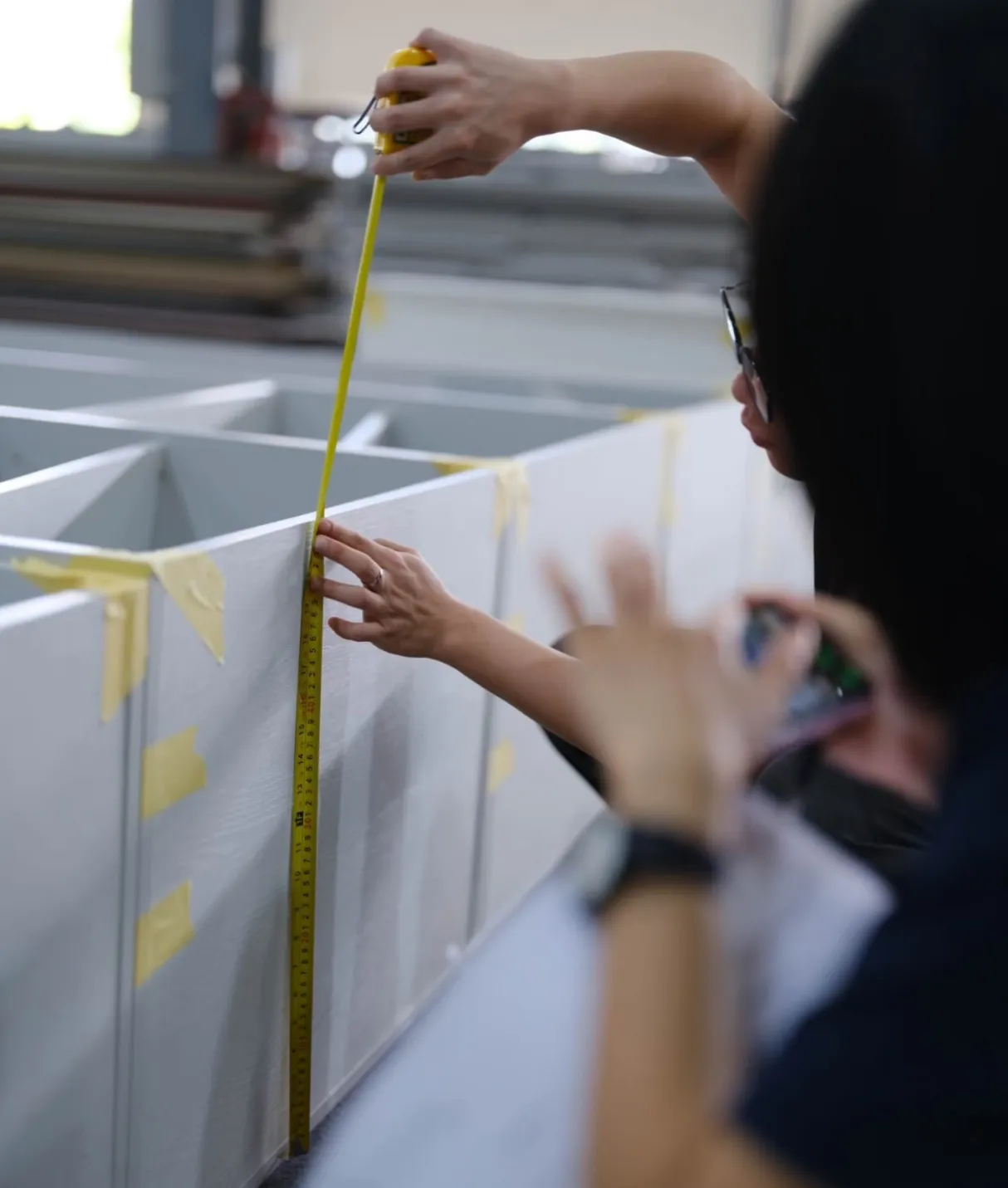
Finishing issues that seem minor before shipment can become costly once furniture reaches the site. In this office project, the client required consistent finishes across meeting tables, workstations and other visible furniture surfaces. We therefore checked key details before packing and corrected deviations before delivery.
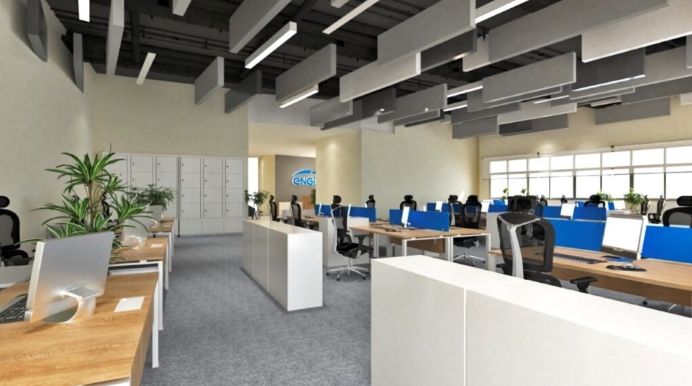
In this project, the client required a clean and consistent finish across meeting tables and workstation areas. The furniture needed to match the design intent closely, especially for visible surfaces.
The Problem
During our pre-shipment inspection, we identified several issues:
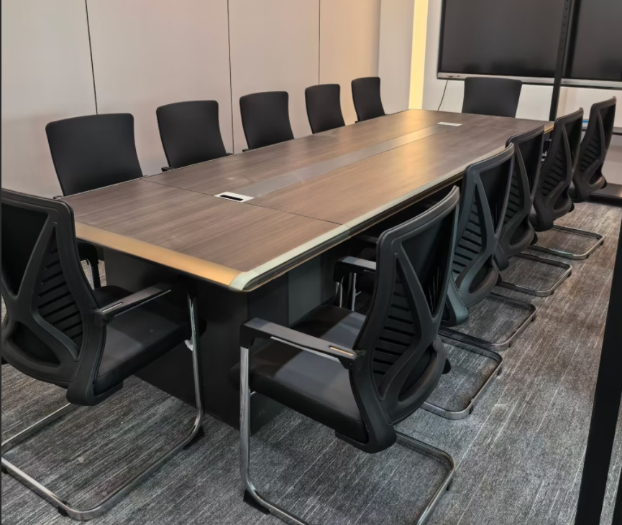
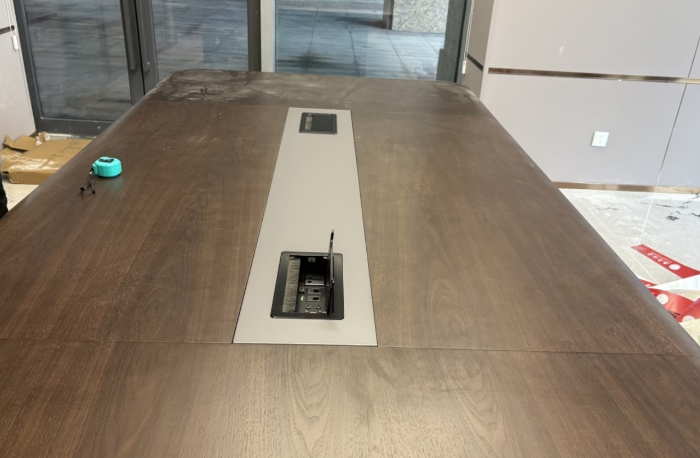
- slight color variation on veneer surfaces
- minor alignment issues in panel joints
- gaps that could affect the final visual effect
These issues were not critical at a structural level, but they would become very visible after installation.
If shipped directly, they could lead to:
- client dissatisfaction
- rework on site
- delays in project schedule
Our Approach
Instead of proceeding with shipment, we stopped the process and addressed the issues before delivery.
1. Issue Identification
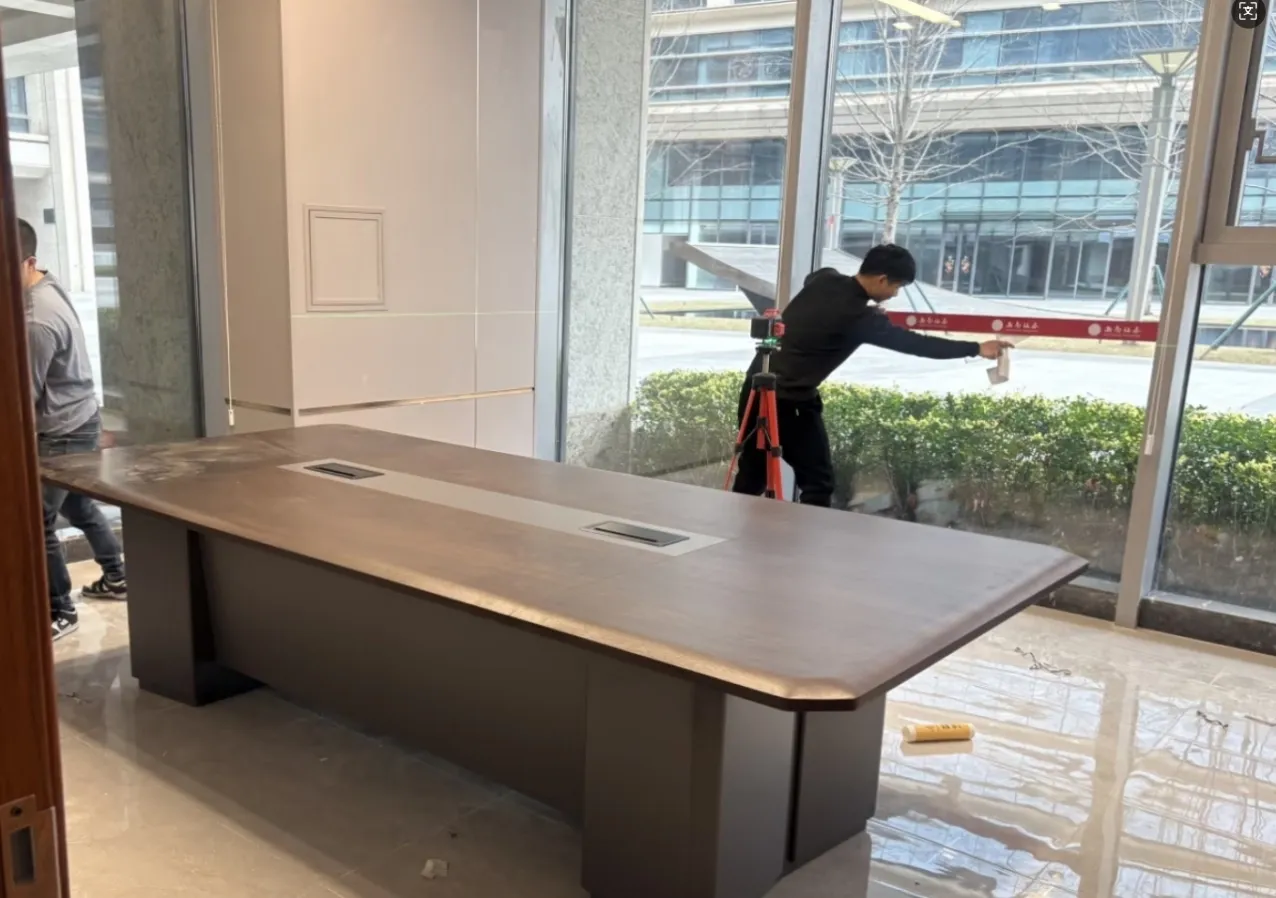
We reviewed the finished items carefully and documented the problems with photos and clear explanations.
2. Internal Coordination
We communicated with the factory to:
- confirm the root causes
- align on required corrections
- adjust finishing details
3. Rework & Adjustment
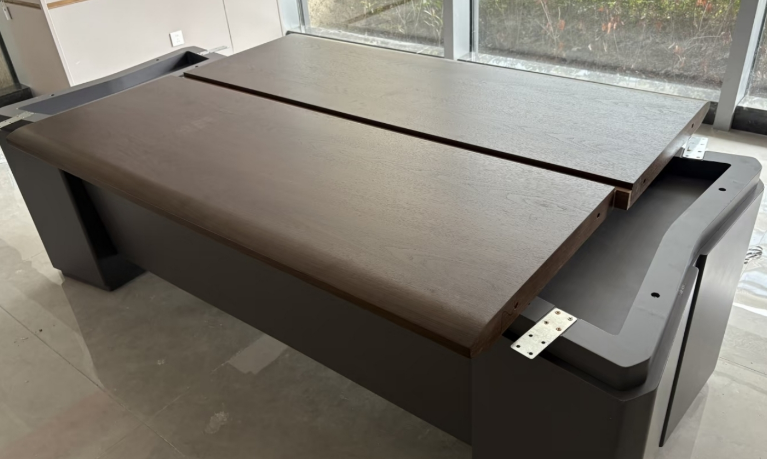
The affected parts were reworked, including:
- surface refinishing
- edge detail correction
- alignment adjustments
4. Re-check Before Shipment
After correction, we conducted another round of checking to ensure:
- consistent finish across all visible surfaces
- proper alignment
- acceptable workmanship standards
Result
By resolving the issues before shipment, we avoided potential problems on site.
The client received furniture that matched expectations more closely, reducing the need for adjustments during installation.
What This Case Shows
In furniture projects, problems are not unusual.
The key difference is whether issues are discovered early and handled properly, or left to be solved on site.
Our focus is to:
- identify risks before delivery
- communicate clearly with factories
- ensure corrections are made in advance
Conclusion
Quality control is not only about checking finished products. It is about preventing problems from reaching the site.
By managing these details before shipment, we help clients reduce risk and keep their projects moving smoothly.