
Sep 1, 2026Industry Insights
Shipping Project Furniture to Guyana: What to Plan First
Practical planning for project furniture shipments to Guyana, including packing, loading, labeling, documents, installation and spare parts.
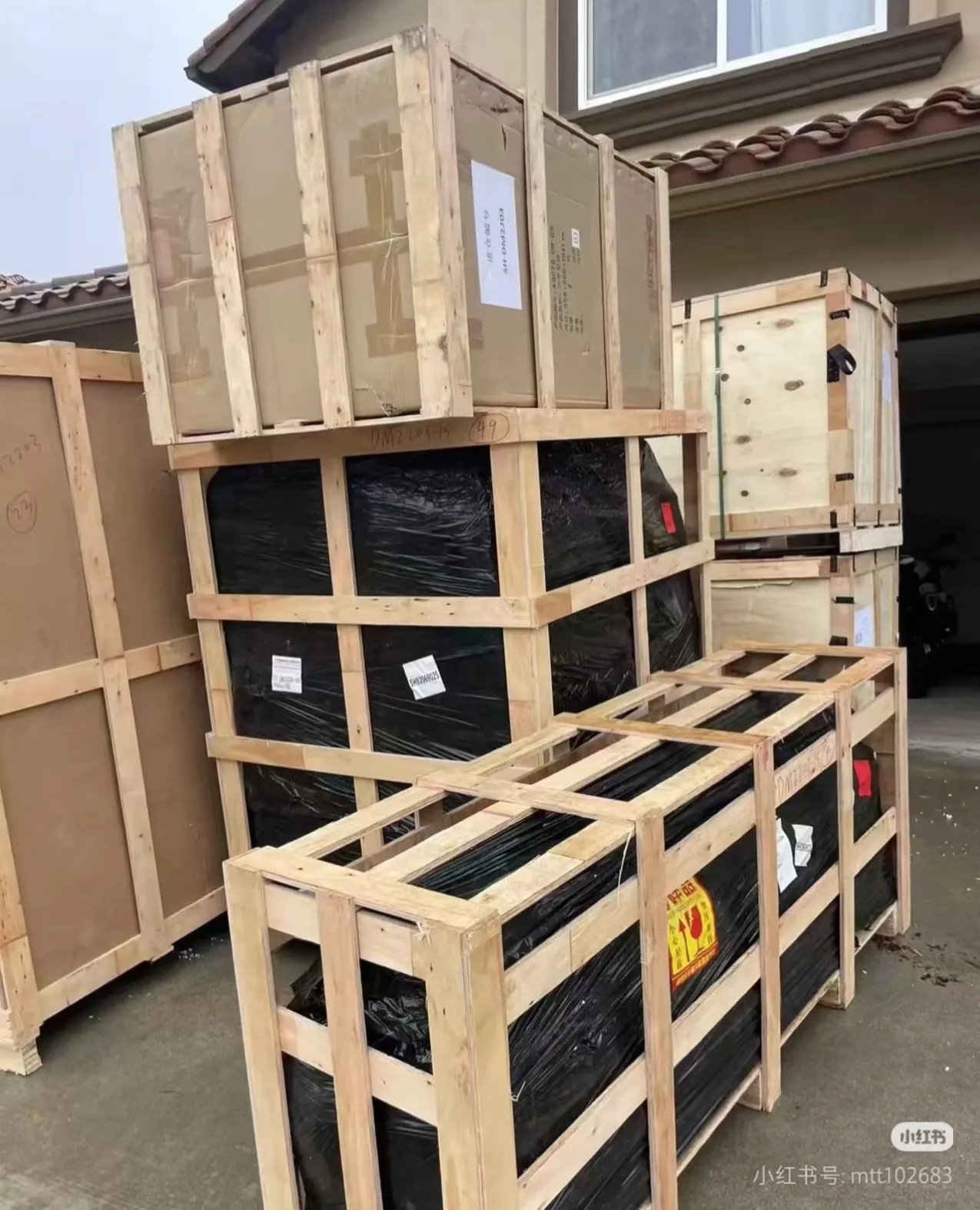
When project furniture is shipped to Guyana, production is only half of the job. The furniture may be complete and correct at the factory, but poor packing, unclear labels or a weak loading plan can create expensive problems after arrival.
The practical question is not only whether the product looks good before shipment. It is whether the complete package can survive handling, be identified quickly and be installed with the correct parts.
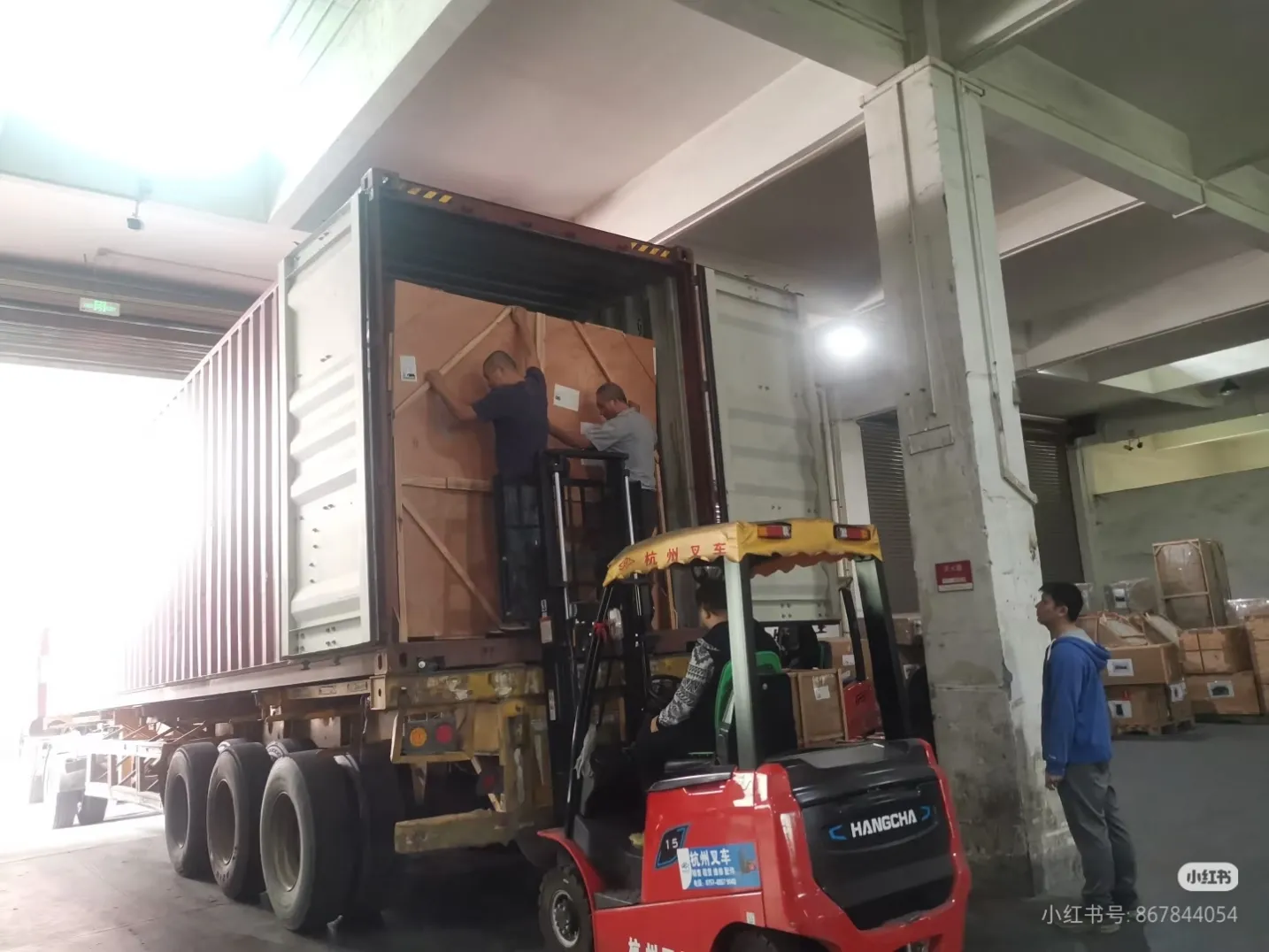
Confirm the receiving conditions before deciding the packing
Packing should reflect what happens after the container arrives. We need to know whether the site has a forklift, loading dock or warehouse, whether packages will be transferred to smaller vehicles and how long they may remain stored before installation.
A crate that gives excellent protection may be difficult to move through a narrow entrance. A large assembled cabinet may reduce site work but require equipment that is not available. These choices should be made before the final packing list is issued.
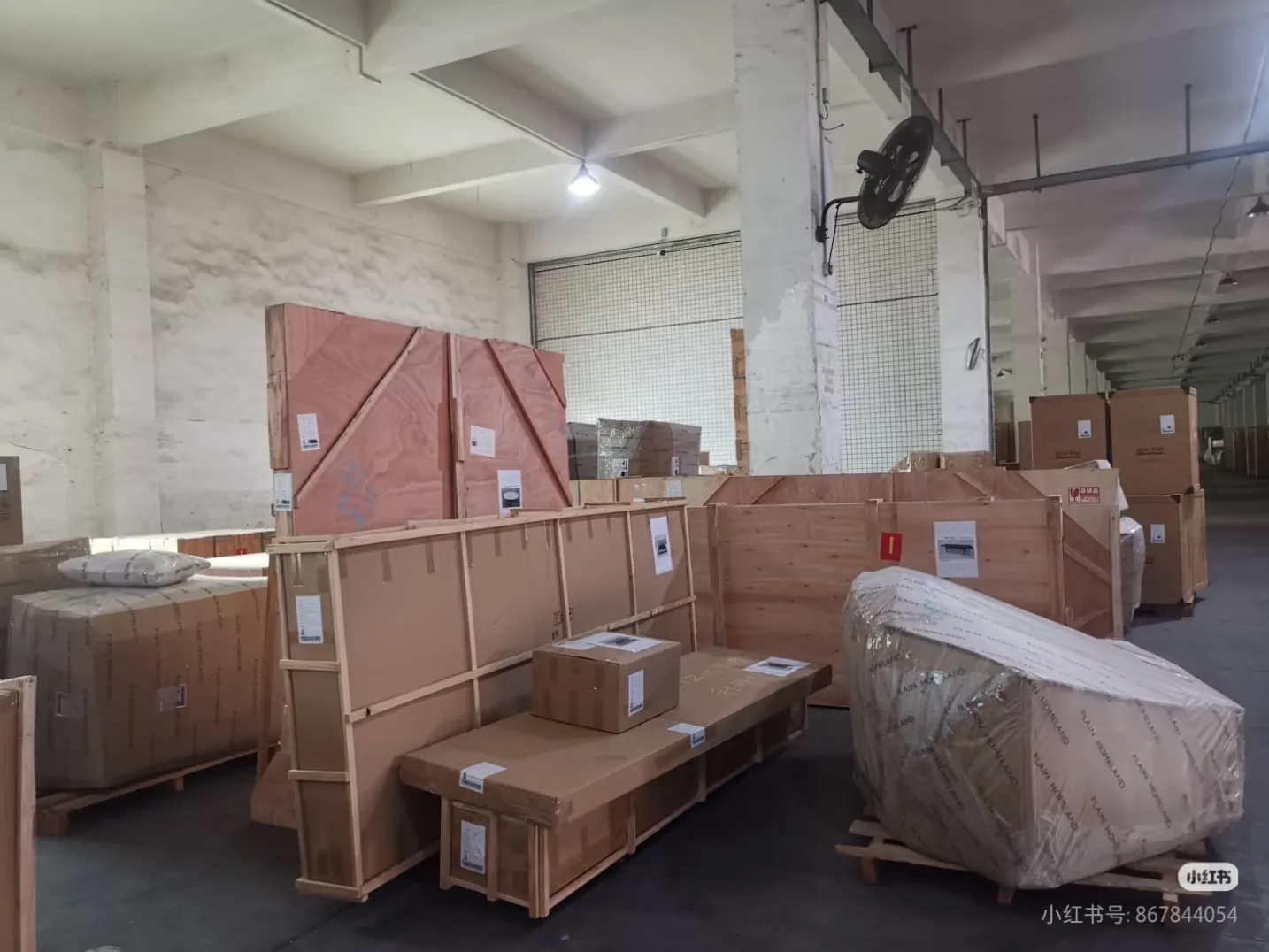
Use different protection for different products
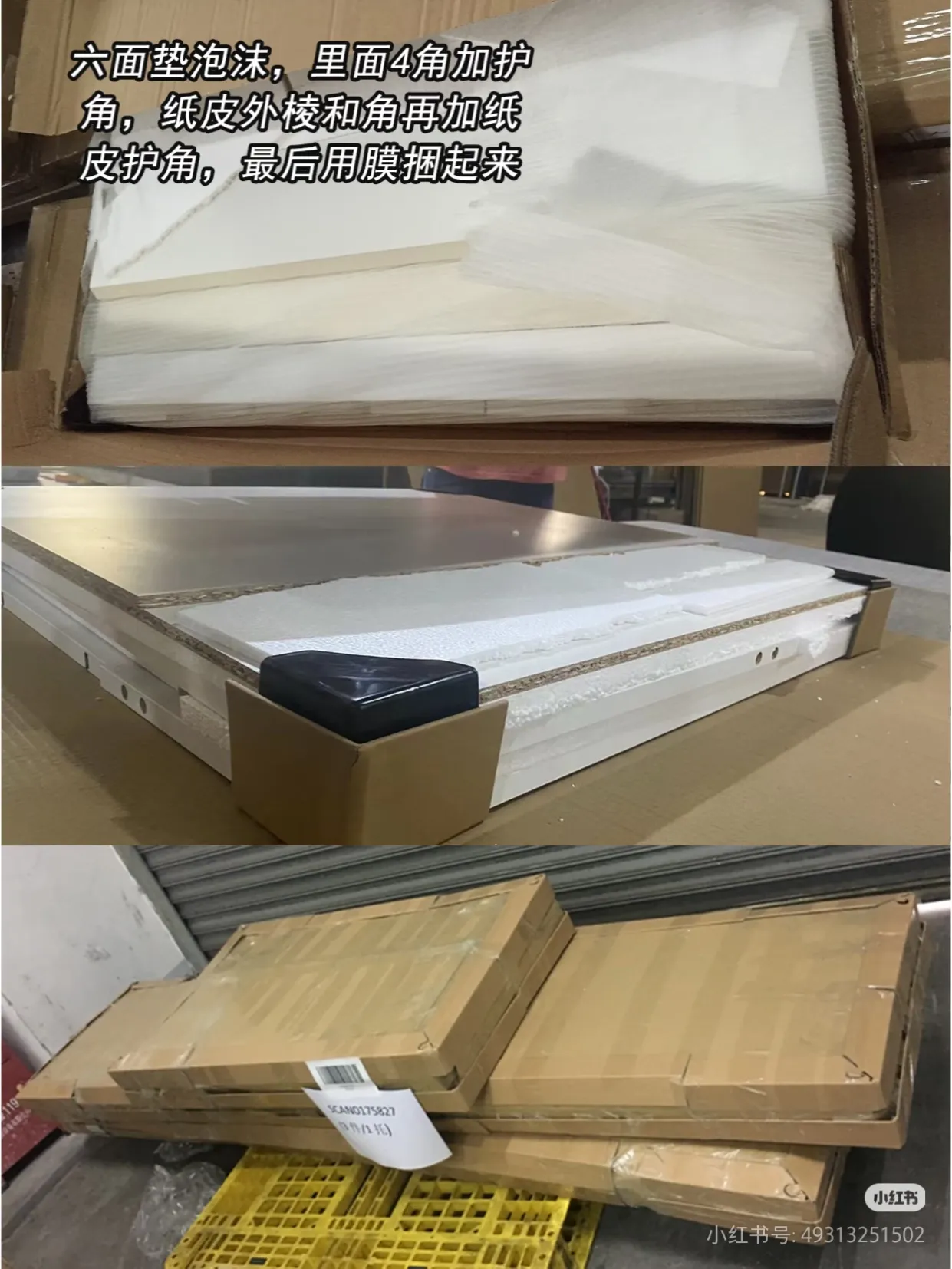
One packing method does not suit every furniture category. Upholstered items need protection from dirt, compression and sharp edges. Stone and glass tops need rigid support. Painted metal parts need separation so surfaces do not rub during transport.
For large custom pieces, edge protection and internal fixing are often more important than adding another layer of carton. Movement inside the package is a common cause of damage.
Control moisture and surface risk during a long shipment
Furniture should be packed only after coatings, glue and upholstery are properly dry. Closing material into packaging too early can trap moisture or odor.
For suitable products, sealed protection and desiccant can help during long-distance transport. Metal fittings and plated surfaces should be clean and dry before packing. The method should match the material; wrapping every item as tightly as possible is not always the correct answer.
Calculate freight from packed dimensions
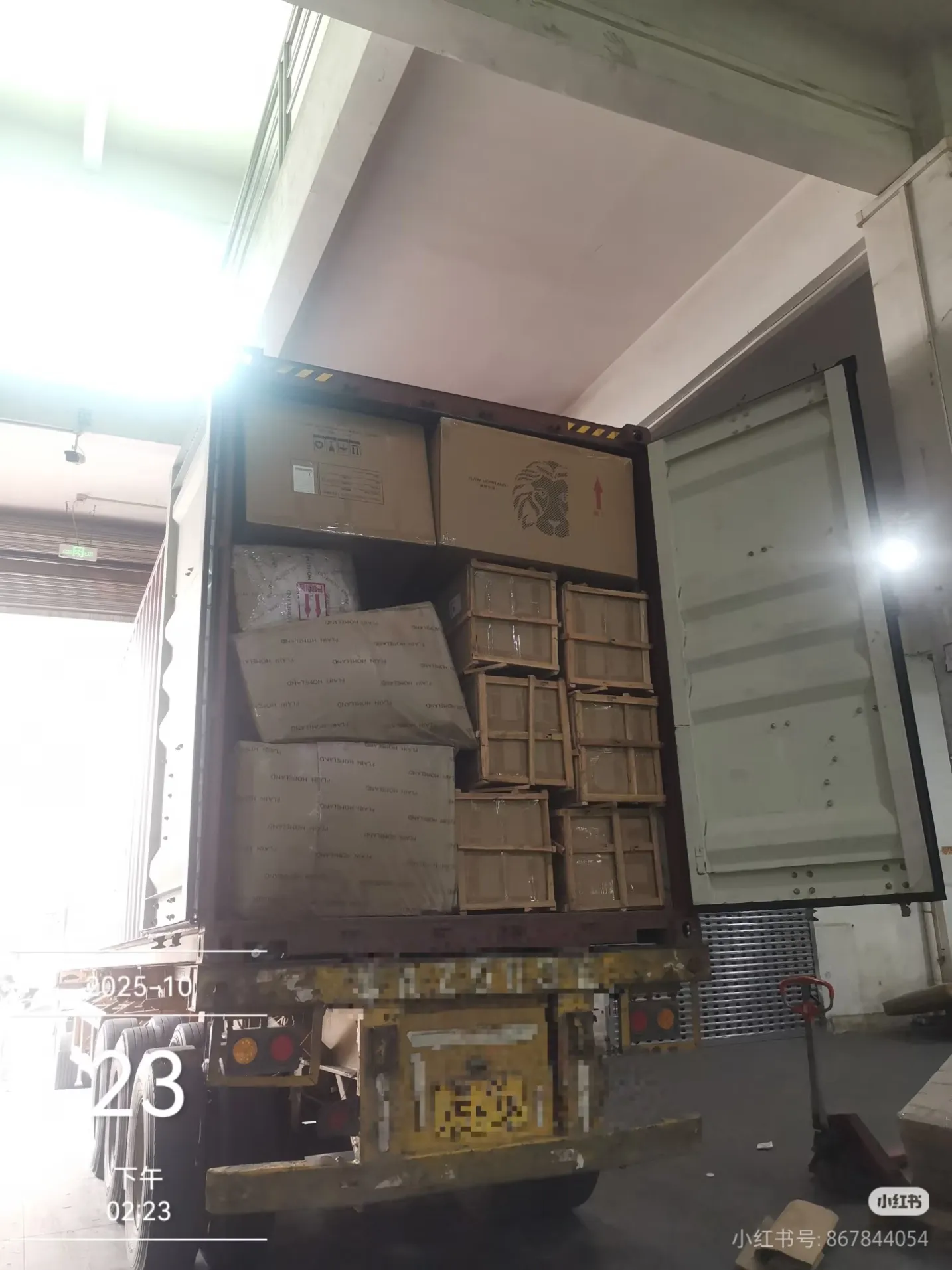
A product quotation may begin with estimated volume, but the final loading plan should use actual package dimensions. Crates, knock-down structures, protective corners and pallet space all change the real cubic volume.
This is especially important for mixed projects. Ten different furniture categories rarely load as efficiently as one repeated product. Early volume estimates should therefore be treated as estimates, not guaranteed container quantities.
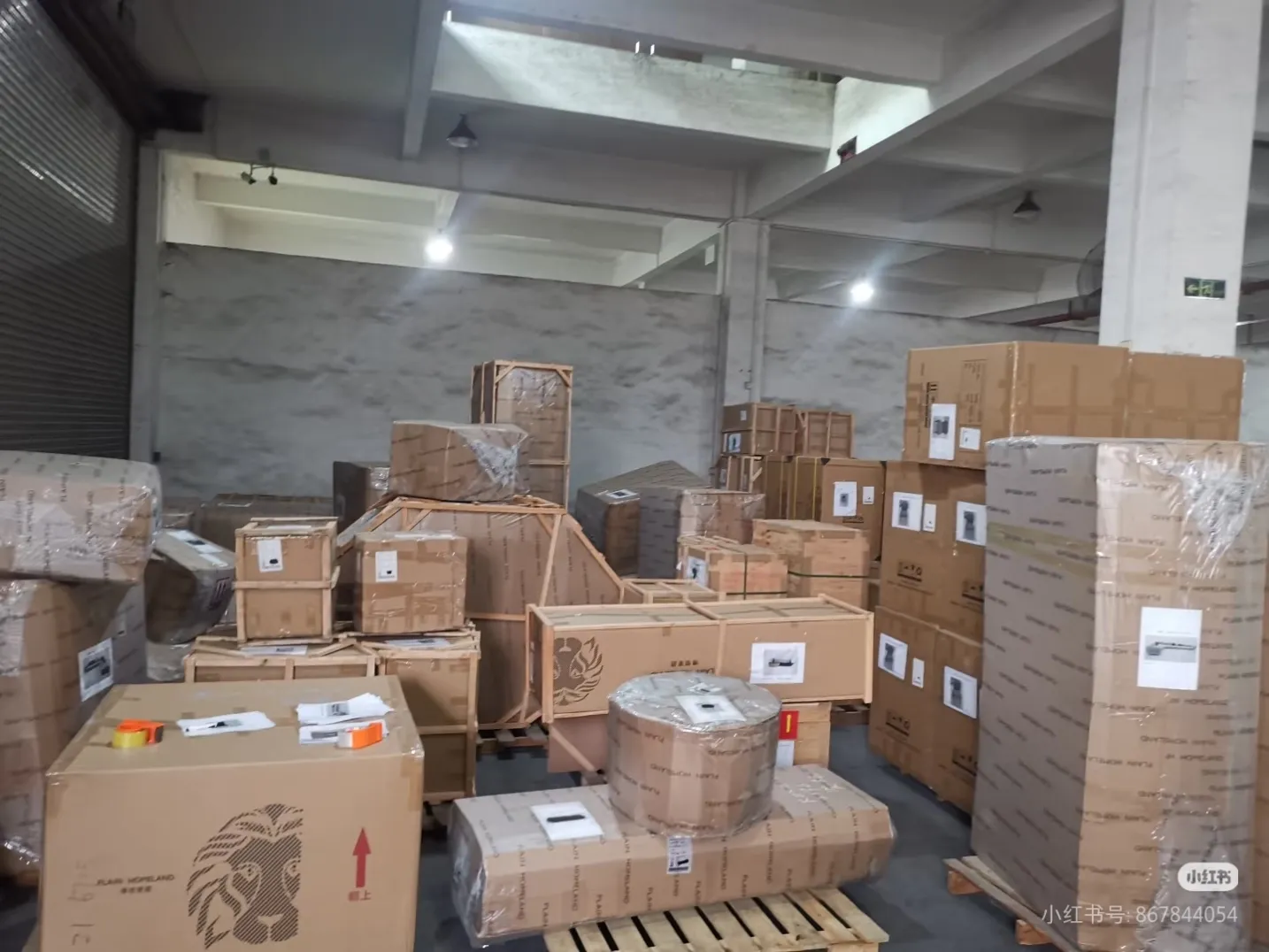
Plan mixed loading before the truck reaches the factory
A container may include sofas, desks, chairs, cabinets and fragile tops from several suppliers. The loading sequence needs to consider weight, package strength and the order in which items will be unloaded.
Heavy crates should not press against upholstered cartons. Fragile packages need controlled positions, while frequently handled small cartons should not be buried without clear records. Where several factories are involved, consolidation also needs a receiving check before loading.
Make every package easy to identify
A clear label should connect the physical package to the BOQ and packing list. We normally recommend showing the project name, item code, room or area, package number, quantity and handling direction where relevant.
For items packed in several cartons, the relationship must be obvious: for example, Package 1 of 3, Package 2 of 3 and Package 3 of 3. Hardware cartons should reference the same furniture code.
Send the documents before the shipment arrives
The site team should receive the final packing list, loading record, assembly drawings and relevant photos before delivery. Waiting until installation starts is too late.
For custom items, photos taken during trial assembly can be more useful than a generic instruction sheet. They show the real connection points, component numbers and finished orientation.
Prepare small spares with high practical value
A missing connector, hinge or adjustable foot can stop an entire item from being installed. The cost of sending one small replacement later is usually much higher than including a controlled spare set in the shipment.
Useful spares may include selected hardware, fasteners, glides, connectors, touch-up material and a limited amount of matching upholstery or edge banding. The list should be item-specific rather than a random box of extra parts.
Keep installation in mind during production
If local installation is planned, the factory should simplify it wherever possible. Pre-drilled connections, numbered components and tested hardware reduce guesswork. Complex structures should be trial-assembled before packing.
For the site team, a good installation package includes drawings, clear labels, photos and one contact point for questions. This is more reliable than expecting installers to understand the product from the final render.
Information needed for an early shipment plan
Before finalizing packing and logistics, the following information helps identify the main risks:
Furniture BOQ and estimated quantities
Product dimensions and assembly method
Destination and delivery address
Unloading and storage conditions
Required delivery period
Local installation responsibility
Any packaging or material restrictions
The shipment should be planned as part of the project
For project furniture going to Guyana, packing and loading should not be left until production is finished. They influence product structure, package size, freight volume and installation. Planning these points early gives the client a more realistic cost and a much better chance of a controlled delivery.